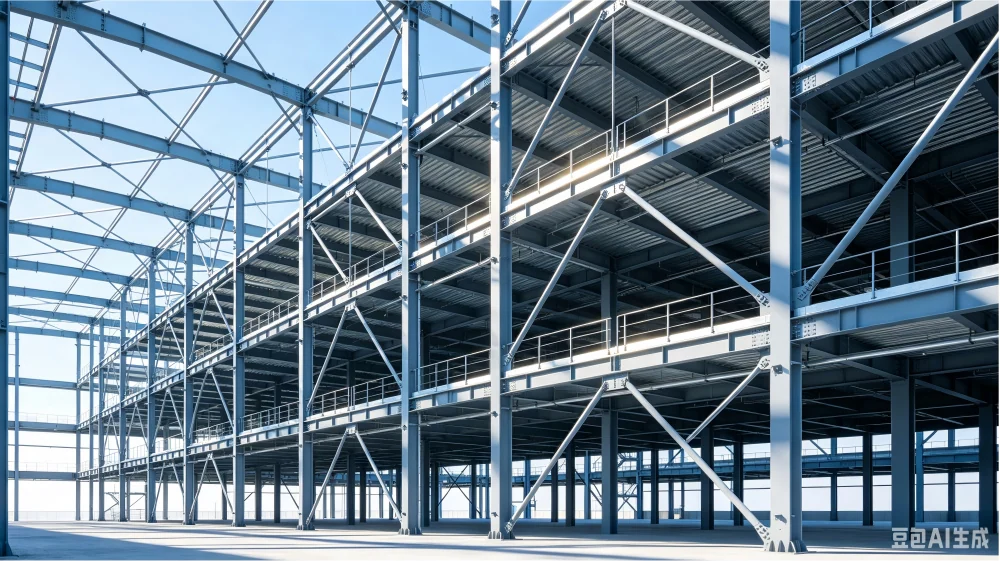
On September 4, the promotion meeting for T/CSCS 083-2026 | T/CECWA 3002-2026 | T/SSTA 010-2026 Technical Standard for Laser-Arc Hybrid Welding of Steel-Structure Components was held in Tianjin. Under the theme "Standard-Guided High-Quality Development, Laser-Empowered Steel-Structure Innovation", the meeting interpreted and promoted the standard and proposed implementation paths, aiming to drive the standardized application of laser-arc hybrid welding in the steel-structure industry and promote industry-university-research-application cooperation and technical exchange.
What happened
The meeting was hosted by the China Steel Structure Association, supported by the China Construction Welding Association, the Shanghai Steel Pipe Industry Association, and Wuhan Yucon Laser Intelligent Manufacturing Co., Ltd., and undertaken by the Smart Construction and New Building Industrialization Committee of the China Steel Structure Association.
Attending the meeting were Zheng Guiying, Chairman of the Steel Pipe Branch of the China Steel Structure Association; Lin Jianquan, Secretary-General of the Smart Construction and New Building Industrialization Committee; Xie Qi, Deputy Secretary-General of the China Construction Welding Association; Wei Liqun, Secretary-General of the Shanghai Steel Pipe Industry Association; Zou Yujing, Chairman of Wuhan Yucon Laser; and Lu Zhikui, Deputy Secretary-General of the Shanghai Steel Pipe Industry Association, along with representatives from research, design, manufacturing, and construction units.
The standard is the first general association group standard in China's building, bridge, offshore engineering, and shipbuilding steel-structure hybrid welding field. It was released on May 1 this year and formally implemented on August 1. Its release fills the domestic gap in standards for laser-arc combined welding in steel-structure applications, providing a unified technical basis and code of conduct for standardized industry development, and holds important significance for promoting high-quality development of the steel-structure industry.
In his address, Zheng Guiying shared that participants would explore the possibility of applying laser-arc hybrid welding of steel-structure components to welded pipes in the steel-pipe industry. He noted that China's steel-pipe industry is at a critical stage of transformation, upgrading, and quality-and-efficiency improvement; the Steel Pipe Branch will build multi-level communication, demonstration, and networking platforms, withstand risks with industrial resilience, drive quality improvement through reform and innovation, strengthen industry self-discipline, and build a safe, stable, efficient, coordinated, mutually beneficial, and green low-carbon modern steel-pipe industry chain ecosystem.
In his address, Lin Jianquan stated that laser-arc hybrid welding is a major breakthrough in the steel-structure welding technology field. Combining the high energy density and high precision of laser welding with the high deposition rate and strong adaptability of arc welding, it achieves a 1+1>2 technical effect, with fast welding speed and small deformation. The promotion and application of the standard holds milestone significance for moving steel-structure manufacturing toward precision, green development, and intelligence, marking our transition from following to parallel competition in this field.
In his address, Xie Qi said that implementing the group standard is the key. He suggested that related enterprises should: first, fully recognize the functional value of the standard, taking it as an important basis for laser-arc hybrid welding, procedure qualification, operational skill training, and manufacturing quality inspection, and standardizing process parameter control; second, use the standard as a lever to drive welding technology iteration; third, focus on cultivating welding technical talent, consolidating the industry's talent foundation.
Technology and performance
In his address, Wei Liqun suggested that, taking the release and promotion of this group standard as a starting point, parties should build consensus and work together to move steel-structure welded components toward a higher, more standardized, more professional, and higher-quality stage of the welding industry. He recommended that users strengthen training and precise promotion, benchmark the standard proactively, incorporate it into enterprise production and operation, project bidding, and contract performance, and drive its normalized application; participating user units are also encouraged to promote the standard to their product users.
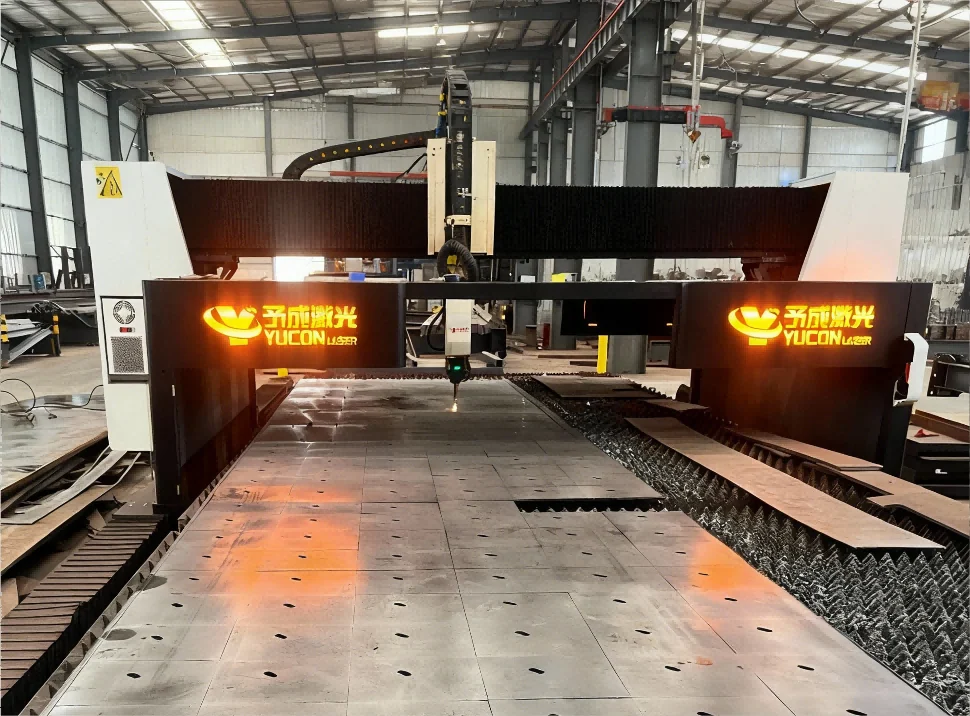
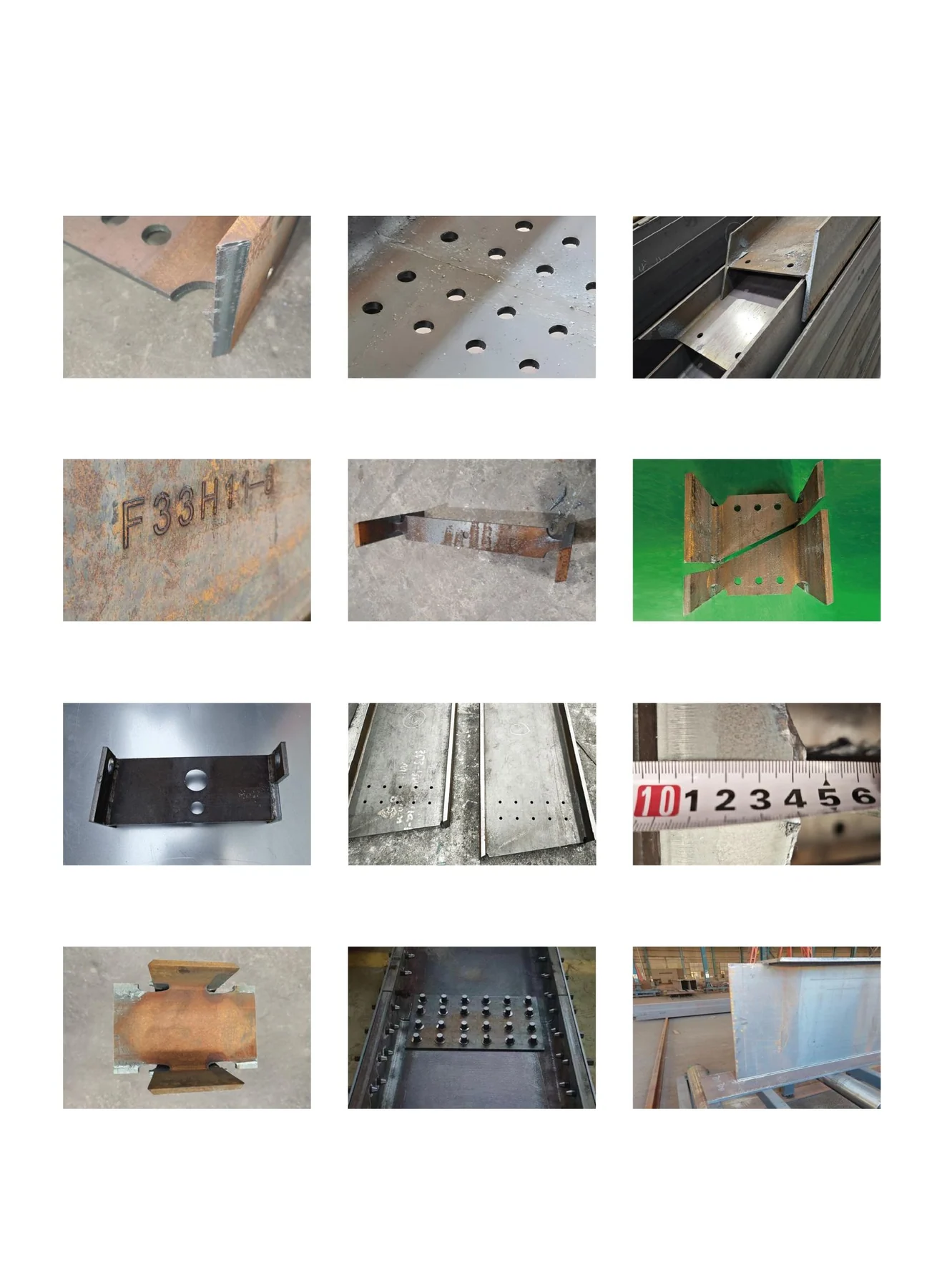
As the lead drafting unit of the standard, Wuhan Yucon Laser has written the standard into its equipment and run the equipment on production lines. In a keynote report titled Application of Laser and Automation Technology in the Steel-Structure Industry, Zou Yujing shared the technical breakthroughs and application prospects of Yucon's dual-path laser-arc hybrid welding production line and 3D five-axis H-beam laser cutting production line. He stated that Yucon's self-developed dual-path laser-arc hybrid welding production line reduces filler consumption by 80%, raises production efficiency by 50%, and lifts overall work efficiency 3 to 4 times compared with conventional equipment.
Lu Zhikui explained the standard implementation requirements and enterprise landing points at the meeting. He stated that the standard should be put into enterprise production and operation through building a publicity and training system, clarifying the implementation path, and applying incentive mechanisms.
Industry significance
Jiang Laihe, a main participant in drafting the standard and Head of the Welding Process Department at Yucon Laser, gave a systematic interpretation of the standard, introducing in detail the terminology, equipment verification, material classification, and process parameters involved.
In a keynote report titled Application of Laser-Arc Hybrid Welding in Steel-Structure Fabrication, Li Pengpeng, Chief Welding Expert at China Construction Steel Structure Tianjin Co., Ltd., stated that welding procedure qualification test analyses of laser-arc hybrid welding show the technology has significant advantages in improving weld strength, retaining plasticity, and process applicability, providing reliable technical support for efficient welding of modular building steel structures.
After the meeting, participants went to the China Construction Steel Structure Tianjin Co., Ltd. site to observe the actual laser-arc hybrid welding production line.
Reporter: Yang Kai; Photography: Special Correspondent Lan Yigao.
Original source
Reporting: China Metallurgical News / Metallurgical Media · First published 2026-09-07. The article above is an English translation of the cited report.
Frequently asked questions
When and where was the meeting?+
4 September 2026 in Tianjin, China.
What happened after the meeting?+
Delegates visited a live laser-arc hybrid welding line at China Construction Steel Structure Tianjin.